
"Supremo Excelso UGQ"
210 article(s) found

Soft Colombia Coffee Flavor Manor Features Fine Coffee Introduction
Colombia is fortunate to have Atlantic and Pacific ports, which help to reduce the cost of transporting coffee, and it is the only country in South America that has this condition. The main productive areas of Colombia are located in the Central and Eastern Mountains. The most important plantations distributed along the Central Mountains are located in Medellin, Armenia and Manizales.
There are two ways to grade green coffee beans.
There are two ways to grade coffee beans, one is to filter the number of points, one is to elevation points. The size of the round beans is generally smaller than the flat beans, the round beans are between 8-13, and the flat beans are between 12-29. 8,9,10... 12,13... 18... 29= ,,......, Extra large. The bigger the number, the bigger the bean. SC-19, for example, is bean number 19.

Colombia Medellin Coffee introduces Colombian boutique coffee with great potential.
Professional coffee knowledge exchange more coffee bean information please follow the coffee workshop (Wechat official account cafe_style) Colombia is rich in coffee production, has always lost only to Brazil, is the second largest coffee producer, however, between 2003 and 2007, it was overtaken by Vietnam and is now the world's third largest coffee producer, and more than 2 million people in Colombia rely on coffee production.

Graded high-quality coffee beans
There are two ways to classify raw coffee beans, one is the filter number, and the other is the elevation. It is divided by the number of the filter screen, and the size is in the unit of the screen (size). Round beans are generally smaller than flat beans, between 8-13 and 12-29. 8, 9, 10. 12, 13. 18. 29 = small, medium, ordinary. Quasi-big. Big, extra large. The bigger the size, the bigger the beans. Like SC.
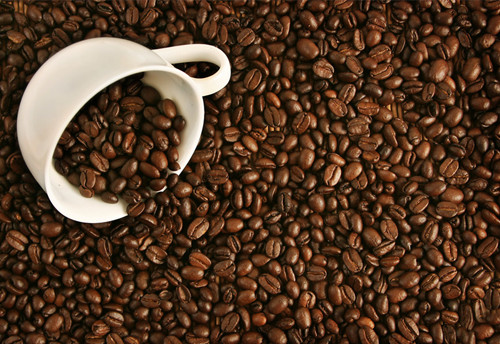
Basic knowledge of fine coffee grading of raw coffee beans
At present, there are three main rating criteria for raw coffee beans, and different countries adopt different rating methods according to their own production conditions and national conditions (not all coffee producing countries adopt the same method). Let's introduce these three popular rating methods. One: the reason for the emergence of such a classification standard according to the altitude of the coffee producing area is mainly because of the high level.
Standard for grading coffee beans
There are two ways to grade coffee beans, one is to filter the number of points, one is to elevation points. It is divided by the filter number and the size is determined by the mesh size. Round beans are generally smaller than flat beans, round beans between 8-13, flat beans between 12-29. 8,9,10... 12,13... 18... 29 = Small, Medium, Normal... It's a big... big, extra big. The bigger the number, the bigger the bean. Like SC

General knowledge of Coffee Culture the Development History of Colombian Coffee
Coffee was first introduced to Colombia in 1808 when it was brought by a priest from the French Antilles via Venezuela. Today, the country is the second largest producer after Brazil, with an annual output of 13 million bags of 60 kg each, while Brazil produces 22 million bags a year. The status of coffee in Colombia can be seen in the following examples-all entering the
Global coffee producing area-Colombia
Coffee was first introduced to Colombia in 1808 when it was brought by a priest from the French Antilles via Venezuela.

Introduction to the characteristic species of Colombian Coffee beans Lazmus Manor
In the early 1960s, coffee production was about 600kg per hectare. Now it has risen to about 900kg, and some farms can reach 2500 kg. However, quality assurance is a top priority for the coffee industry. Colombia established the National Coffee Management Association (Federacion Nacional de Cafeteros, or FNC) in 1927, which is responsible for quality supervision. Although the association is a private company
Coffee producing areas in Colombia
Coffee was first introduced to Colombia in 1808 when it was brought by a priest from the French Antilles via Venezuela. Today the country is the second largest producer after Brazil.
Grading standard of raw coffee beans
There are two ways to classify brown raw beans, one is to filter the number, and the other is to divide it by elevation. It is divided by the number of the filter screen, and the size is in the unit of the screen (size). Round beans are generally smaller than flat beans, between 8-13 and 12-29. 8, 9, 10. 12, 13. 18. 29 = small, medium, ordinary. Quasi-big. Big, extra large. The bigger the size, the bigger the beans. Like SC-1.
Colombian coffee producing area Colombian coffee elegant demeanor Colombian coffee characteristics brother
Coffee was first introduced to Colombia in 1808 when it was brought by a priest from the French Antilles via Venezuela. Today the country is the second largest producer after Brazil. Colombian coffee origin: Colombian coffee is one of the few original coffee sold in the world under the name of the country. In terms of quality, it can't get any other coffee.

What is Colombian coffee? Where is the main producing area of Colombian coffee?
For more information on coffee beans, please follow the coffee workshop (Wechat official account cafe_style) in 1808, coffee was first introduced to Colombia by a priest from the French Antilles via Venezuela. Today, the country is the second largest producer after Brazil, with an annual output of 13 million bags of 60 kg each, while Brazil

Coffee flavor from different coffee producing areas around the world coffee producing areas in Colombia
In 1808, coffee was first introduced to Colombia, which was brought by a priest from the French Antilles via Venezuela. Today the country is the second largest producer after Brazil. Colombian coffee origin: Colombian coffee is one of the few original coffee sold in the world under the name of the country. In terms of quality, it has acquired other

Colombian boutique coffee-one of the most sold individual coffees in the world
Coffee was first introduced to Colombia in 1808 when it was brought by a priest from the French Antilles via Venezuela. Today, the country is the second largest producer after Brazil, with an annual output of 13 million bags of 60 kg each, while Brazil produces 22 million bags a year. The status of coffee in Colombia can be seen in the following examples-all entering the

Colombian boutique coffee-one of the most sold individual coffees in the world
Coffee was first introduced to Colombia in 1808 when it was brought by a priest from the French Antilles via Venezuela. Today, the country is the second largest producer after Brazil, with an annual output of 13 million bags of 60 kg each, while Brazil produces 22 million bags a year. The status of coffee in Colombia can be seen in the following examples-all entering the
Classification standard of coffee raw beans for fine coffee
There are two ways to classify raw coffee beans, one is the filter number, and the other is the elevation. It is divided by the number of the filter screen, and the size is in the unit of the screen (size). Round beans are generally smaller than flat beans, between 8-13 and 12-29. 8, 9, 10. 12, 13. 18. 29 = small, medium, ordinary. Quasi-big. Big, extra large. The bigger the size, the bigger the beans. Like SC.

Quality coffee beans, knowledge, classification of raw coffee beans
There are two ways to classify raw coffee beans, one is the filter number, and the other is the elevation. It is divided by the number of the filter screen, and the size is in the unit of the screen (size). Round beans are generally smaller than flat beans, between 8-13 and 12-29. 8, 9, 10. 12, 13. 18. 29 = small, medium, ordinary. Quasi-big. Big, extra large. The bigger the size, the bigger the beans. Like SC.

A single cup of coffee sold in the world under the name of a country.
Coffee was first introduced to Colombia in 1808 when it was brought by a priest from the French Antilles via Venezuela. Today, the country is the second largest producer after Brazil, with an annual output of 13 million bags of 60 kg each, while Brazil produces 22 million bags a year. The status of coffee in Colombia can be seen in the following examples-all entering the

A brief introduction to the Market Price of Colombian Coffee from Global Coffee producing area
The thorny question facing Colombian coffee growers is whether to replace bourbon coffee trees with fast-growing and high-yielding Arabica coffee trees. Some people say that the quality will not be as good as it used to be, but others say that in the place where coffee is most suitable for growth, there will not be much difference in quality. Characteristics of Colombian coffee: coffee grades are Supremo, Excelso and extreme